You Played It Before You Watched It: How Eroge Became the Front Door to Every Franchise
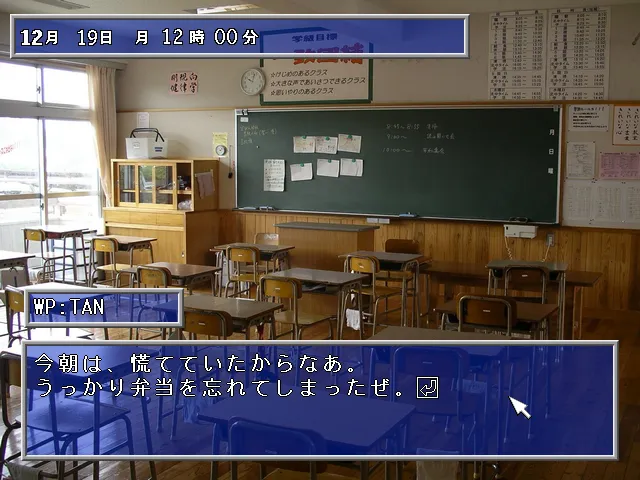
Photo: 31NOVA, CC0, via Wikimedia Commons
Ask an older otaku how they found their favorite adult franchise and you'll get a story about a late-night VHS rip, a fansub with hardcoded subs, maybe a bootleg DVD from a convention dealer's room. Ask somebody under thirty the same question and the answer increasingly starts somewhere else entirely: "I bought the game."
That's not a fluke. It's a full reversal of how adult anime properties get discovered in the US, and the people who localize and sell these games saw it coming years before the streaming side did.
The Old Pipeline Ran Backwards
For most of the medium's history in America, the flow was simple. An anime OVA or TV series aired in Japan. Someone licensed it, subtitled it, shoved it onto shelves at Suncoast or later onto a streaming catalog. If the property had a game attached, that game arrived years later, if at all, often in a truncated "all-ages" localization that read like it had been run through a paper shredder and reassembled by a lawyer.
The game was the merch. The anime was the product.
Now walk through a typical discovery story in 2025. A fan sees a character design floating around Twitter — a silver-haired shrine maiden, say, or the latest impossibly popular maid. They reverse-image search it. The trail doesn't lead to an episode. It leads to a visual novel with an English build sitting right there on Steam or Johren or a niche storefront, uncut, with a patch one click away. They play forty hours. Then they find out there's an adaptation, and they show up to the anime already emotionally invested, already attached, already arguing in the comments about which route was canon.
The game became the front door. The anime became the sequel.
Localizers Saw It First
Talk to anyone doing English localization for eroge and visual novels and you'll hear the same thing: the Western market stopped being an afterthought somewhere in the mid-2010s and is now a launch consideration, not a salvage operation.
"Back in the day, we were localizing games that had already peaked in Japan," one longtime localizer told us, describing the old model where a title might get picked up three years after its Japanese release, once the anime had already run and the hype had curdled. "Now we're getting games day-and-date, sometimes before the adaptation even exists. The US audience is a launch market. That changes everything about how a project gets funded."
That funding point matters more than people realize. Small studios that would never afford a full anime production can afford a game. A visual novel's budget — art, a voice cast, a script, an engine — is a rounding error compared to even a modest OVA. So the interactive version gets made first, it builds a fanbase in the West through storefronts that handle age verification and uncensored patches without much fuss, and the adaptation arrives later, pre-sold to an audience that already knows the characters by name.
The Storefront Operators Weigh In
The people running the digital shelves have the clearest view of the shift. On major US-facing platforms, visual novels with adult content routinely punch above their weight in wishlist counts and revenue per unit. A VN with modest production values can sit in a storefront's top sellers for weeks off the strength of one popular character and a healthy dose of word-of-mouth in Discord servers and on r/visualnovels.
"The purchase behavior is different," one operator explained. "Anime viewers subscribe. Game players buy. A subscriber can cancel next month and the studio sees churn. Someone who drops $30 on a visual novel is making a statement — this character, this story, this world, I want it. That's a fan the whole franchise can build on."
There's also the girlfriend effect, for lack of a better term. A visual novel hands you agency. You choose the route. You spend dozens of hours inside a character's head, hearing her voiced lines, making the choices that lead to her ending. When the anime adaptation arrives, that player isn't watching a stranger — they're watching their girl get animated, and they have opinions about whether the adaptation did her justice. That's a level of attachment twenty-four minutes per week of TV can't manufacture.
What It Means for Streaming
For the streaming side of the industry, this is both a gift and a threat.
The gift: adaptations arriving with a built-in Western audience that's already primed. Studios no longer have to explain who anyone is to the US market. The fandom did the onboarding for free, one Steam sale at a time.
The threat: the anime is no longer the point of entry, which means it's no longer the thing fans are most loyal to. Adaptations get judged as adaptations — did the studio nail the route, include the right scenes, keep the characterization intact? A faithful adaptation gets celebrated. A loose one gets shredded by people who logged a hundred hours in the source material before the first frame aired.
It also means discovery has decentralized. The seasonal chart used to be the front page of the fandom. Now it's one aisle in a store that also sells the source material, often cheaper, often longer, often more explicit than anything broadcast could air.
The Tail Wagging the Dog
None of this means anime is dying as a driver — a strong adaptation still sends players back to the games, and the feedback loop runs both directions now. But the direction of influence has permanently shifted. The interactive side isn't chasing the anime anymore. Increasingly, the anime is chasing the game.
For US fans, that's mostly good news. More day-one localizations, more uncensored releases, more properties built with the Western market in mind from the start. The hobby your parents thought was a niche corner of the internet is now a launch market with a credit card and opinions.
Just don't be surprised when the next big seasonal hit drops and half your timeline responds with some version of "the game was better." They're not being contrarian. They were there first.