Papers, Please: The New Border Between You and Your Hentai
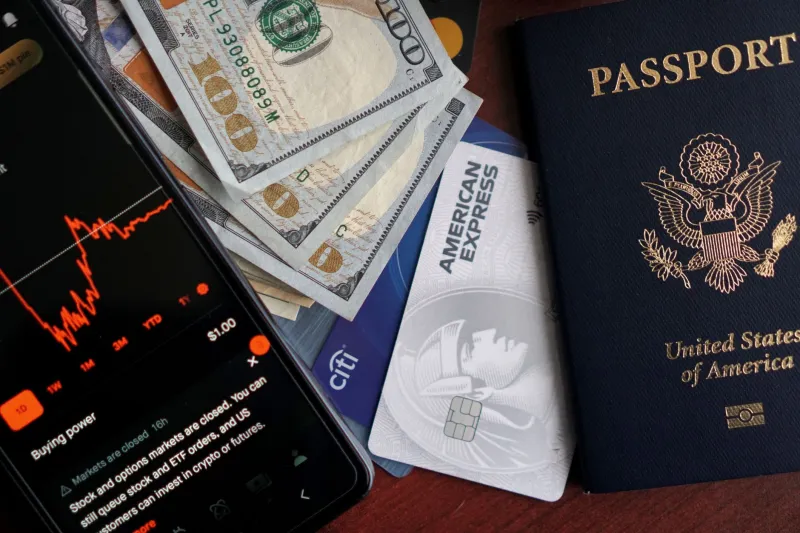
The click-to-enter button used to be theater. You tapped it, maybe typed a fake birthday, and the site believed you. In 2026, that little green rectangle is starting to feel less like a doorway and more like a border crossing — one with paperwork, cameras, and a guard who actually checks.
Adult anime sites are not special here. They are just unusually exposed. The same age-verification wave hitting mainstream porn platforms and social apps is washing over hentai streaming hubs, doujin galleries, and the small fan-run archives that never had a legal department in the first place. The result is a weird new ritual: verify, upload, wait, hope the third-party vendor does not leak your driver's license to a server in a strip mall.
The Gauntlet, Not the Gate
A few years ago, age verification meant a dropdown menu. Today it can mean a government ID scan, a live selfie, a credit-card check, or a facial-age-estimation tool that guesses whether you are old enough based on bone structure and lighting. Some states require one method. Some require a combination. Some require sites to verify every visitor before showing a single frame of content. The laws are not identical, and they are not written with anime in mind.
That matters because adult anime is not one thing. It is streaming sites, image boards, commission galleries, fan translation hubs, and subscription platforms that may be based in the US, Japan, or somewhere with looser rules. A single site can be legal in one state and noncompliant in another, which is why so many operators now throw up a nationwide verification wall rather than build fifty different versions of the same homepage. It is cheaper to ask everyone for ID than to figure out who is in Texas and who is in Vermont.
The Patchwork Problem
The US approach to age verification is not a national system. It is a pile of state laws, app-store policies, and payment-processor terms stacked on top of each other. One state may demand ID-based verification for sites with a certain percentage of adult content. Another may require app stores to confirm age at download. A third may go after payment processors for facilitating access. None of these rules were drafted by people who spend their evenings browsing uncensored OVAs, but all of them shape what those evenings look like.
For viewers, the practical effect is confusion. You might be asked for a selfie on one site, a credit card on another, and nothing at all on a third that has not caught up yet. The inconsistency trains people to treat verification as a nuisance rather than a safety feature. It also creates a market for services that promise to handle the check for you — which is exactly the kind of middleman you should be suspicious of when the data involved is your face and your ID.
What You Trade for the Green Light
Here is the uncomfortable trade. Age verification is designed to protect minors. In practice, it asks every adult to hand over sensitive information to an industry with a long history of sketchy data handling. You are not just proving you are over eighteen. You are proving it to a vendor you did not choose, on a site you may not fully trust, using a document that can be used for identity theft if it ends up in the wrong database.
The privacy-conscious response is rational: use a burner email, avoid sites that demand too much, and keep your real identity away from your browsing habits. But that response only works if you have the technical literacy and the time. A lot of fans do not. They just want to watch a two-episode OVA at 1 a.m. without feeling like they are applying for a mortgage.
The Workarounds Are Already Normal
VPNs are the obvious one. If a site blocks your state or demands verification you do not want to complete, routing through another region can make the problem disappear. That is not a secret. It is becoming standard fandom practice, discussed openly in Discord servers and subreddits the same way people discuss ad blockers. The rise of burner accounts follows the same logic: separate identities for separate platforms, so a leak on one site does not contaminate everything else.
These workarounds are not glamorous. They are maintenance. They add friction to a hobby that was supposed to be frictionless. But they also reveal something about the current moment: fans are treating adult anime access as a logistics problem, not a moral one. The question is no longer whether you can find the content. It is how much of yourself you have to hand over to get through the door.
What Compliance Actually Costs a Small Site
For the small operators — the fan-run galleries, the two-person streaming hubs, the doujin archive that runs on donations — compliance is brutal. Verification vendors charge fees. Legal review costs money. Payment processors can drop adult merchants with little warning. A site that cannot afford the paperwork either shuts down, moves offshore, or accepts the risk of operating in a gray zone. None of those outcomes are good for viewers who want a stable, well-organized library.
The bigger platforms can absorb the cost. They build the verification flow, hire the lawyers, and pass the friction on to you. The smaller ones often cannot. That means the age-verification maze is not just changing how you enter a site. It is changing which sites survive to be entered.
The Fantasy at the End of the Line
There is a bitter irony here. Adult anime is fantasy — exaggerated, impossible, deliberately divorced from real-world consequences. The compliance layer around it is the opposite: bureaucratic, identity-bound, and deeply real. Every ID scan is a reminder that the fantasy has a legal perimeter.
That perimeter is not going away in 2026. If anything, it is tightening. The smart move for fans is to understand the rules, protect their data, and support the platforms that treat verification as a security obligation rather than a data-harvesting opportunity. The smart move for sites is to be honest about what they collect and why. The fantasy can survive a checkpoint. It just should not have to survive a data breach.